Pin It button on image hover
Showing posts with label cows. Show all posts

Monday, November 19, 2018

Flat Aggie Visits Lincoln County Tennesee

Hello from Lincoln County Tennessee.  My name is Ms. Faye and I live on a beef cattle farm.  I
am excited to share with you what Flat Aggie and I have been doing the past couple of weeks.  

My husband and I live, own and operate his family farm.  We are located in southern middle
Tennessee near the Alabama border.  We raise beef cattle. We have sixty Momma cows and
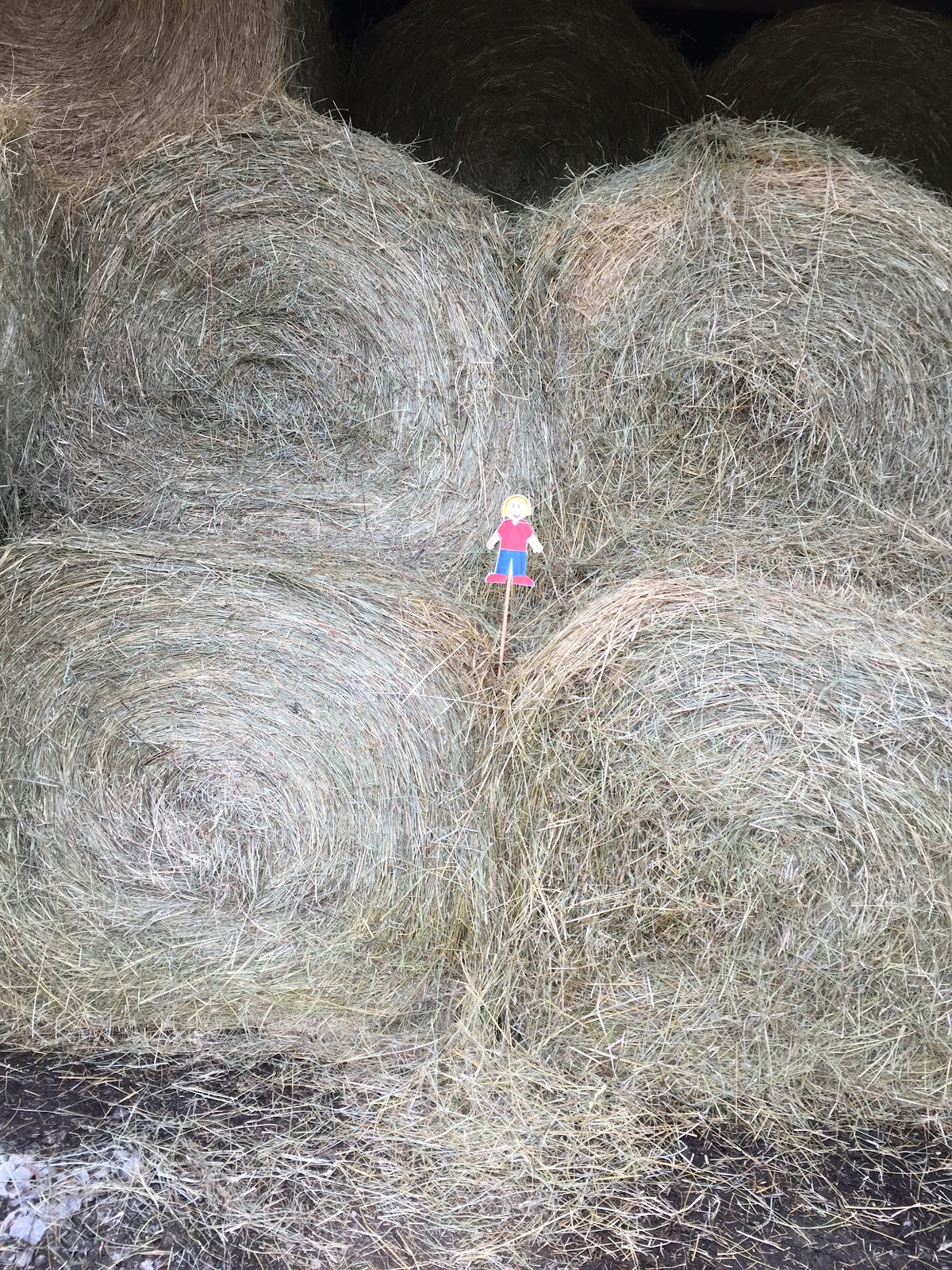
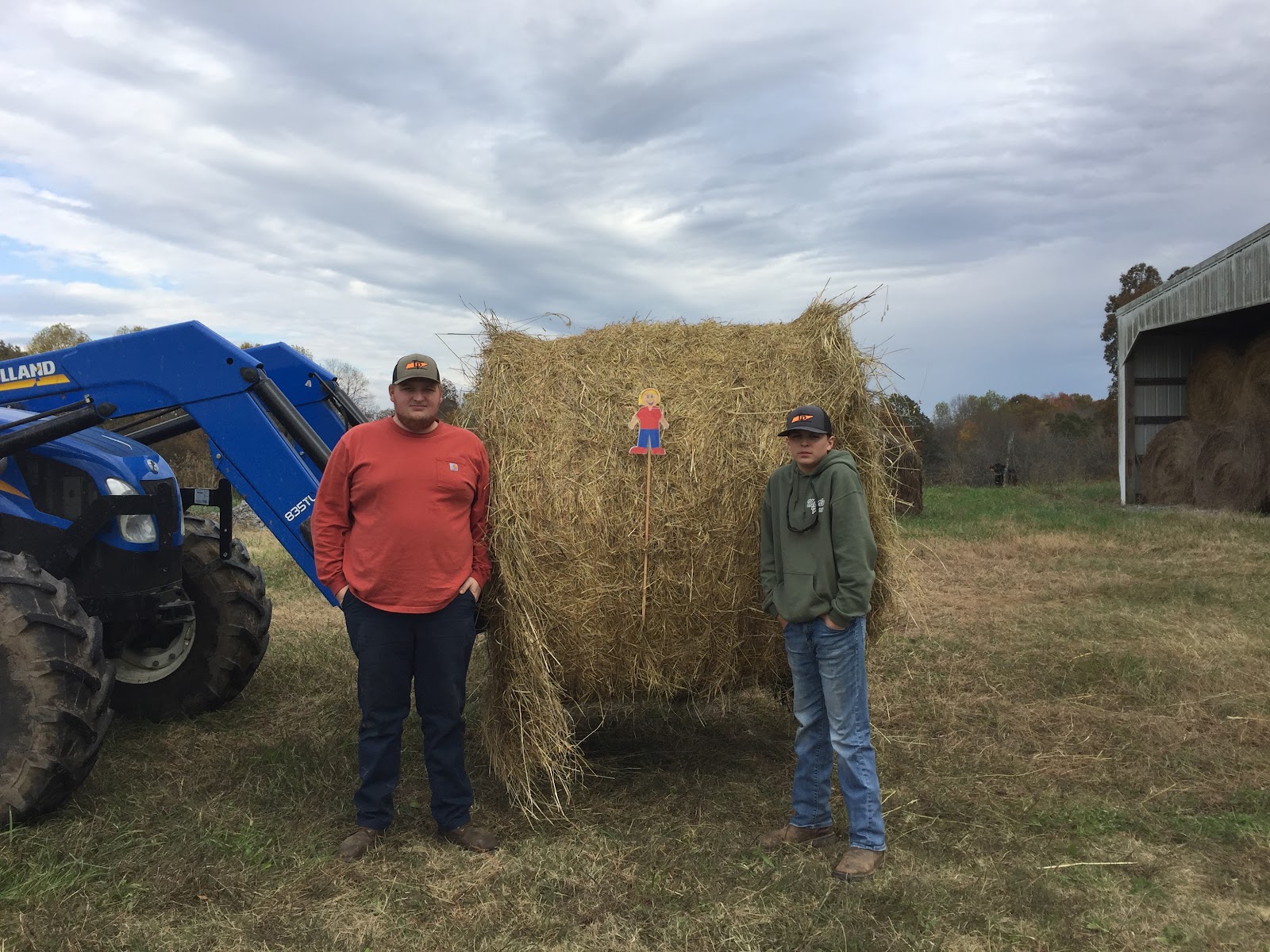
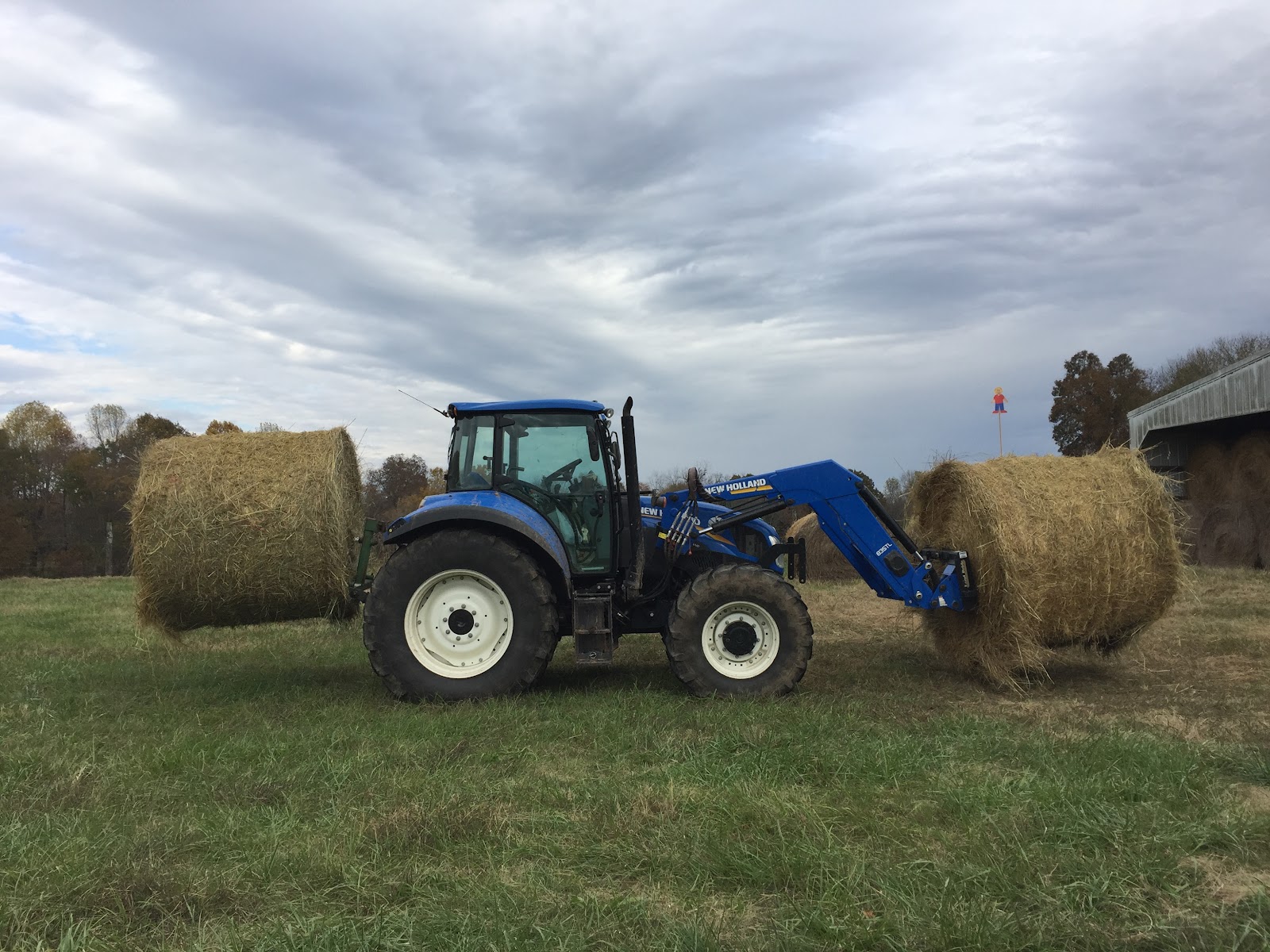
lots of baby calves at this time.  I have included pictures of our cows and the hay operation we
have to raise food for our cows.


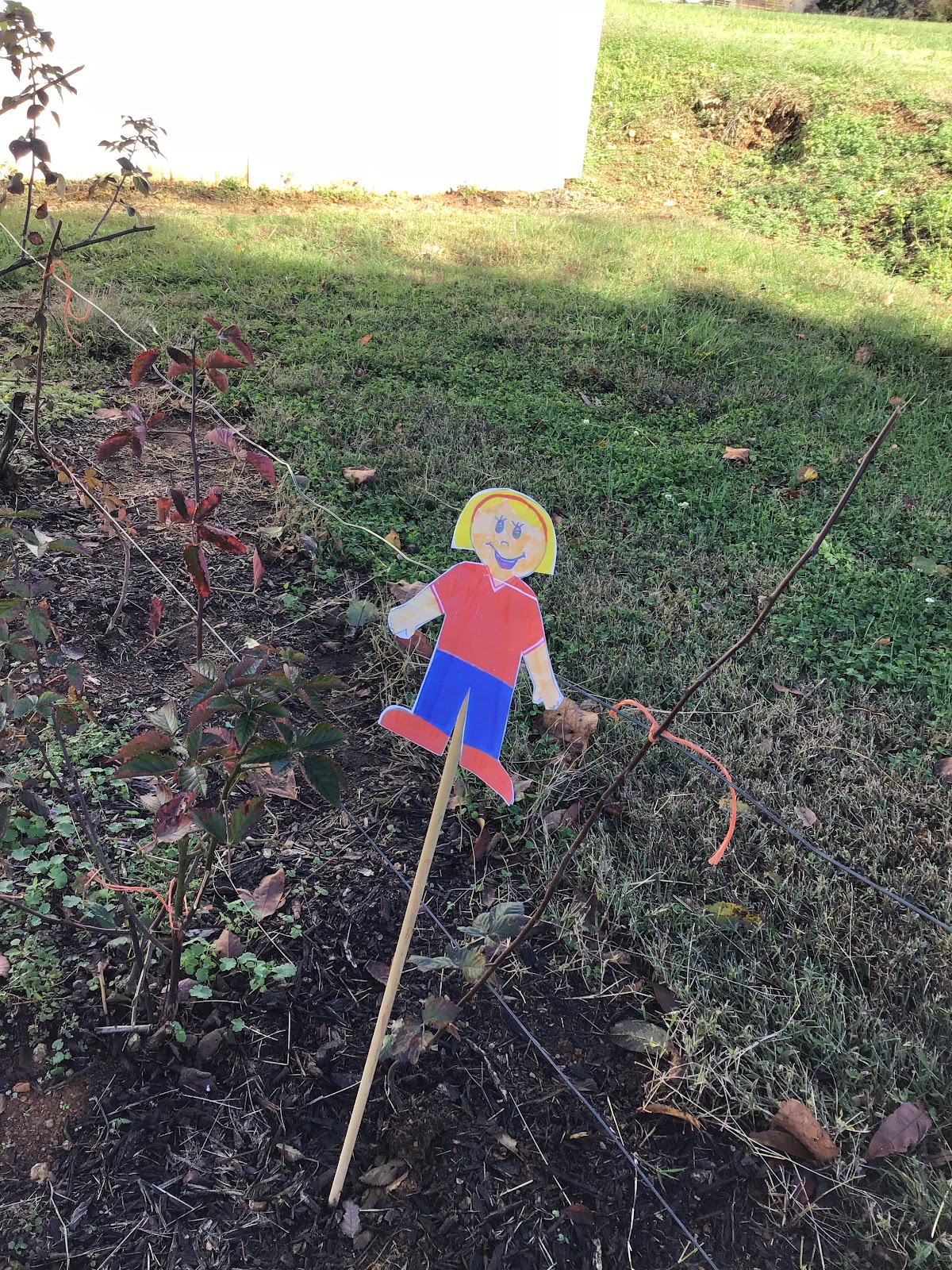
Flat Aggie also helped me in our garden where we raise food for our family.  We have had
our first frost, so I have been cleaning the garden and taking out the plants that have produced
our tomatoes to eat , can and freeze for summer and winter.  Flat Aggie was right there with me.
He helped me pull the vines and the marigolds ( Flowers ) that I put in the garden to control the
bugs and pests that like tomatoes. Marigolds have an order that the bugs do not like.  


We had to repair fence when we had a storm and it blew limbs onto it and mashed it down.  Fortunately no cows found the hole and we did not have to herd them back into the pasture.
Flat Aggie went with myself and two of my grandsons to feed hay to the cows.  I believe that
was his favorite job while he was with me.


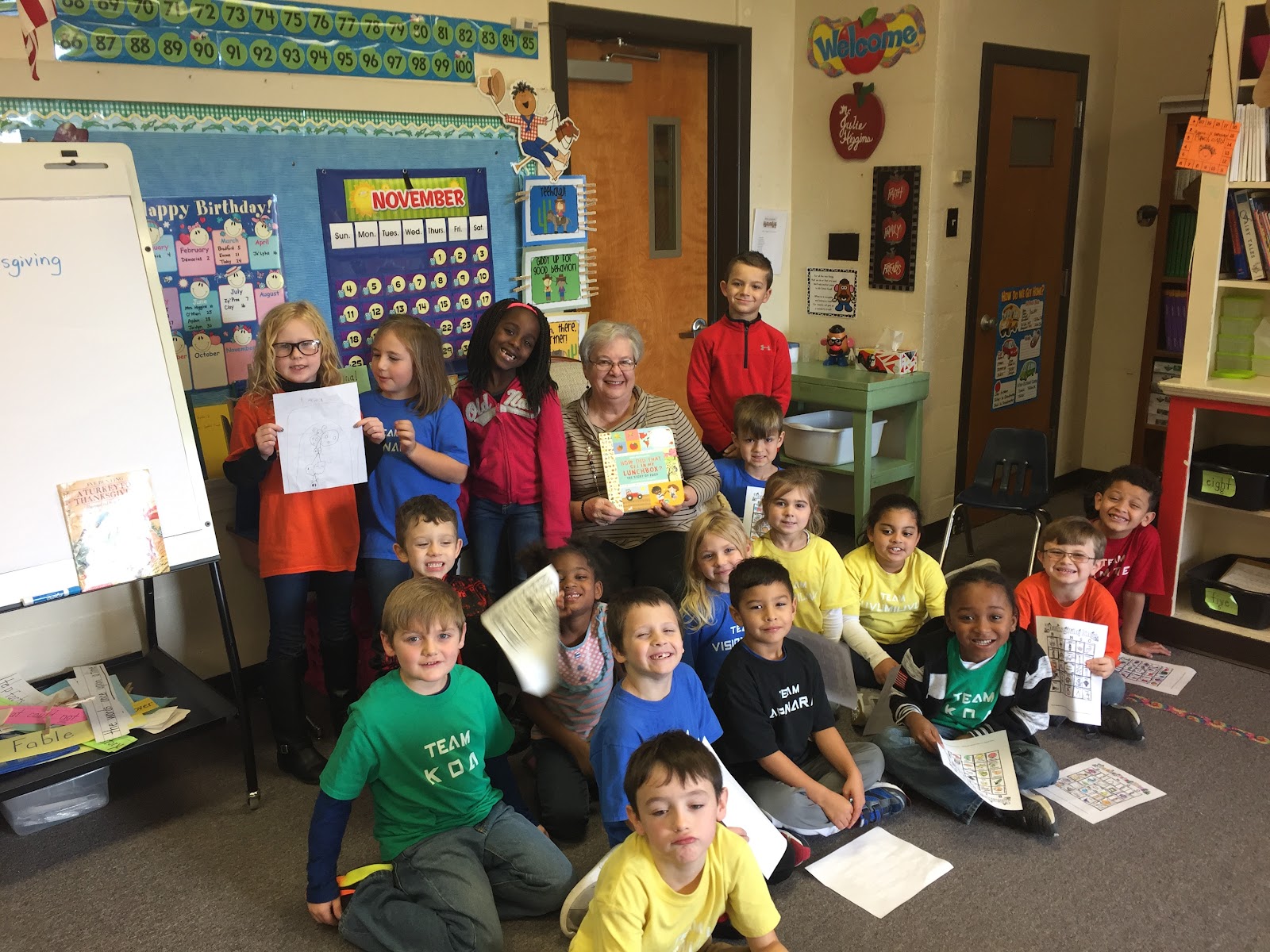
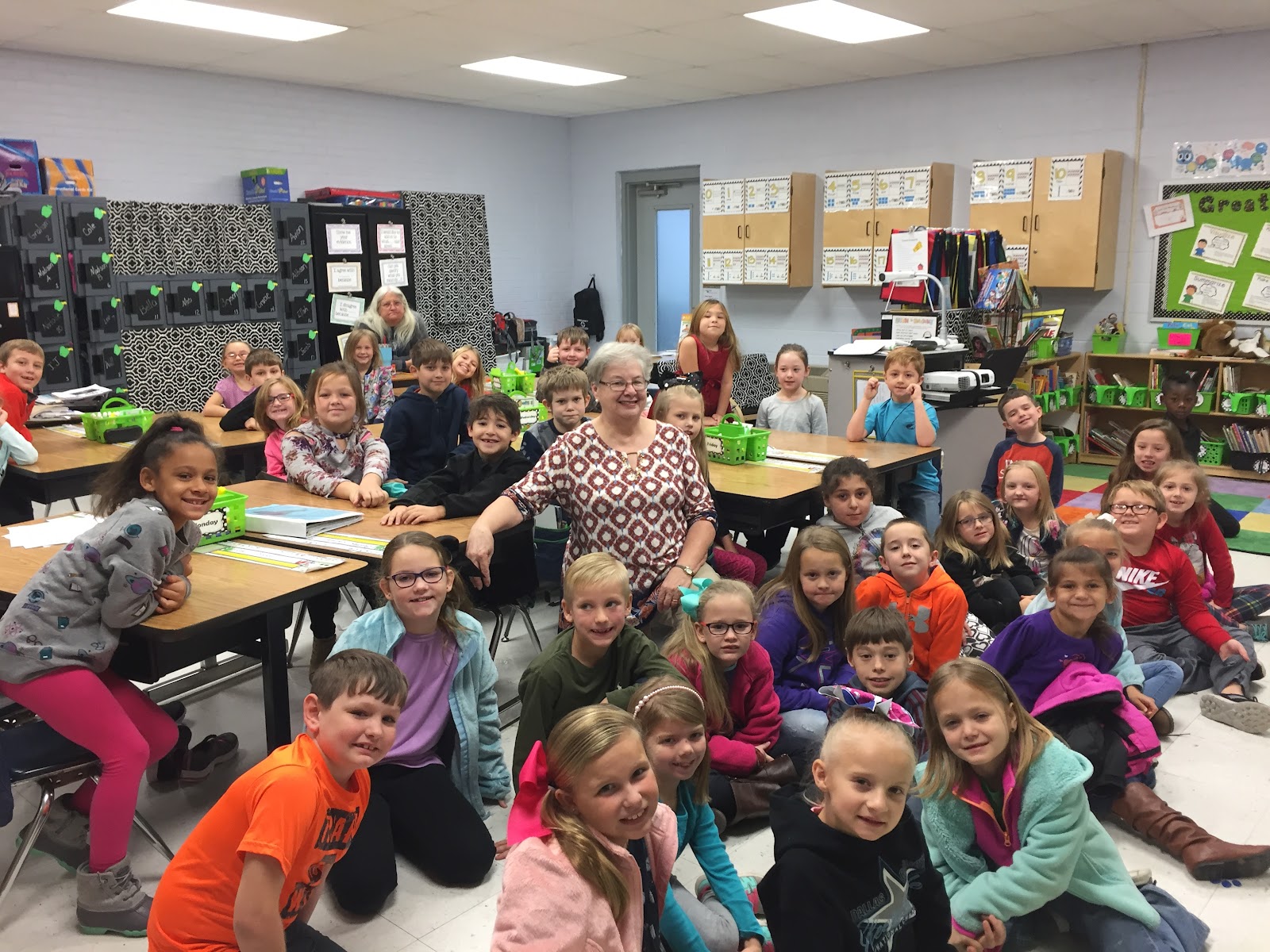
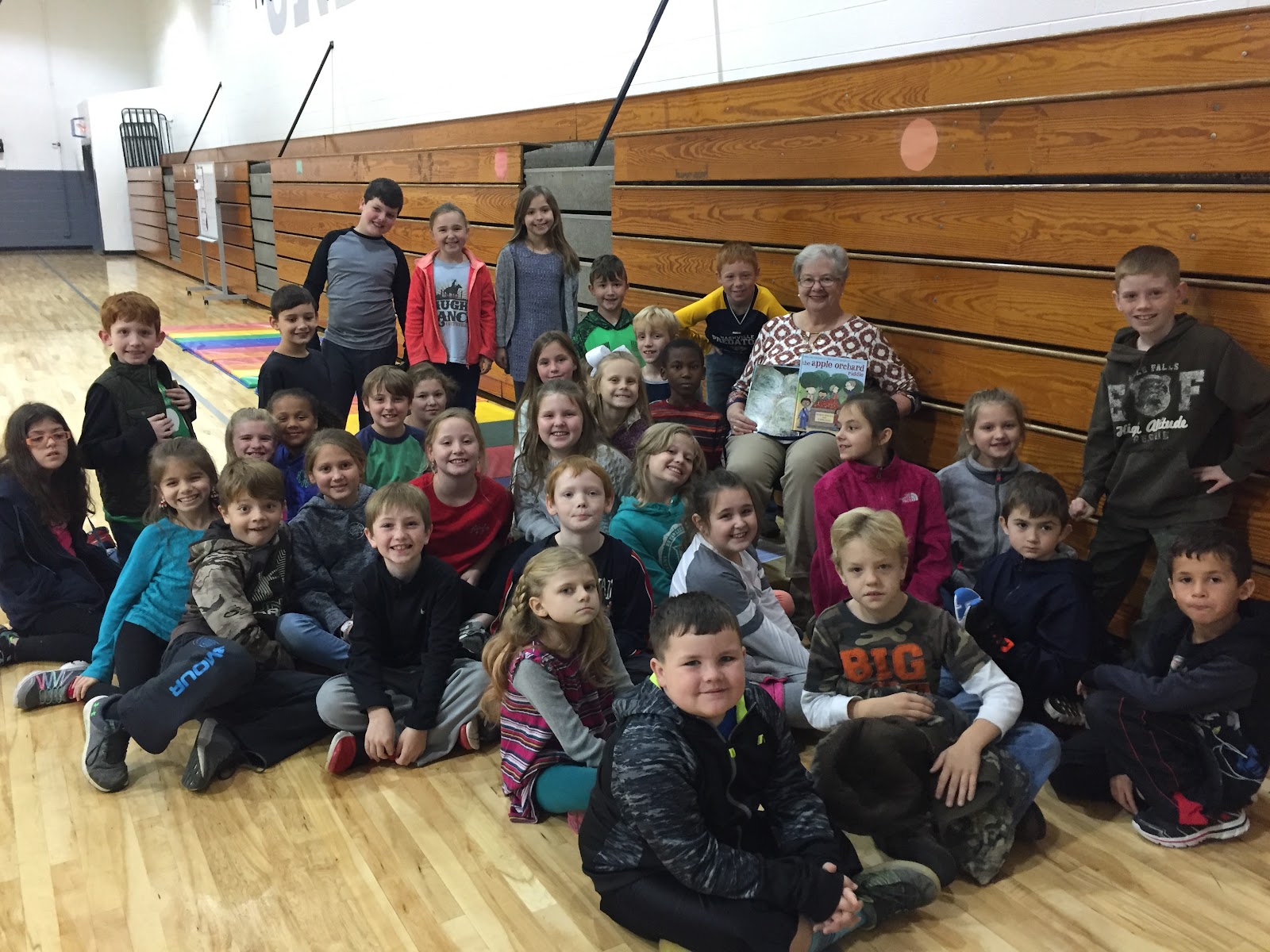
November 11-17 is Ag Literacy Week Ian Tennessee.  I went to many schools and read an Ag Accurate book to first, second and third grade students.  Flat Aggie came along with me. He enjoyed with classrooms just like yours. We read to over 450 students.  What fun we had!
                
I am sad to see Flat Aggie go, but I know he has to visit lots of other farmers across this county and bring back reports to many students.  Goodbye till next time. Flat Aggie.


For more classroom ideas and math problems, visit Beef Farmer Math and All About Beef.

Wednesday, February 15, 2017

Flat Aggie Meets Shorthorns in Michigan


In January, I traveled to T&R Shorthorns in Michigan.  T&R Shorthorns is a small beef cattle farm owned by two sisters.  The farm started when the sisters each bought a heifer (a young, girl cow) to show at the county 4-H fair.  The herd – and their love for cattle – only grew from there.  Just like there are different breeds of dogs – Beagle, Dalmatian, Labrador Retriever, and Poodle to name a few – there are also different breeds of cows.  All of the cows on their farm are a breed called Shorthorn.

Michigan is cold and snowy in the winter, but there is still a lot of work to be done on the farm.  On their farm, the cattle live inside a barn during the winter.  That means they leave manure (the farmer term for cow poop) in one area, so it has to be cleaned up often, and cleaning up manure is what we did on my first day on the farm.

Farmer Paula’s husband helps a lot on her beef farm.  In this picture, he is scraping the manure with a machine called a skidsteer.  Some farmers have other names for it though.  


 He let me take a turn driving it.


They dump the manure into a large wagon called a manure spreader.  Then they take it out to the field with a tractor and spread it.  The manure spreader throws the manure all over the field.  Manure is a good fertilizer.  It helps crops grow on the farm.  Then those crops will be harvested and fed to the cows.

We used this big, red tractor to haul the manure to the fields. 

After they clean out the barns, they put fresh straw down for the cows to lie in. 

They also empty out the water tanks and scrub them each time they clean the barn.

A big part of the cows’ diet (what they eat) is hay.  The hay is stored in large round bales inside the barns to keep them dry.   
 
Sometimes the ground is too muddy or too icy for the skidsteer to get up the barn hill to get hay bales, so they load some up every so often and bring them to a smaller place that is easier to get to in bad weather. 
 
 In the case of an emergency situation like a terrible blizzard, they keep some small, square hay bales in the top of each barn, so they can just throw them down to the cows and don’t have to worry about moving bales through snow.  This winter has been unusually warm.  Normally there is always snow on the ground in January and February.

During my time at T&R Shorthorns, we moved two older calves (baby cows) to another barn, so I got to help load them onto the trailer. 
 
 Their names are James and Penelope.  We also took a cow named Maddie to the auction sale.


Since there are fewer things happening on the farm during the winter because nothing is growing, farmers attend conferences to learn about new and different technologies and techniques to improve how they farm.  I was able to go to a presentation by Greg Peterson of the Peterson Farm Bros. I got to meet him!

Have you ever seen their video “I’m Farming and I Grow It?”   

The other thing farmers focus on in winter is record keeping and not so fun things like doing taxes.

Twice every single day, we fed and watered the cows. 
 
The calves love to help with daily chores.  


The sisters got interested in raising beef cattle because they grew up on their family’s dairy farm.  Their dad and uncles no longer milk cows, but they raise dairy bull calves (baby boy cows) and grow corn, soybeans, wheat, and alfalfa.  In farming families and communities, people help each other out.  Their dad went to a crop conference, so Farmer Paula fed the calves for him, and I helped.  This is right after we gave them milk.

Most beef cattle farms are having calves born right now, but they have their calves during a different part of the year on this farm.  The calves were old enough that we worked on training them to be led on a halter.  They do this to make their calves friendlier and easier to work with.  In this picture, I am helping to halter train Teresa. 


I think my favorite part of visiting T&R Shorthorns was meeting the cows and the calves. They were very friendly.

It wasn’t all work on the farm though.  We did have some winter fun. (at PICTURES)

Here are some facts about agriculture in Michigan.
Michigan is a top producer of many agricultural products such as blueberries and tart cherries.  Lake Michigan keeps the west side of the state from getting really cold in the fall and really hot in the summer.  This effect from the lake combined with frequent rainfall and the soil conditions make the Lake Michigan lakeshore a perfect place for growing fruit.

But Michigan doesn’t just produce a lot of fruit.  Michigan is the second most agriculturally diverse state.  Only California produces a greater variety of agricultural products.  You can see that in Farmer Paula’s family.  As I said before, her dad and uncles milked dairy cows, but now grow crops.  Her grandparents raise pigs.  Her cousins grow many fruits and vegetables such as tomatoes, cucumbers, and strawberries for their farm market.  Some of her other cousins harvest maple syrup.  Agriculture is a big part of what Michigan does and also Farmer Paula’s family.

Tuesday, February 23, 2016

A Bad Monday

There are Mondays and then there are Mondays like yesterday that just start off bad.  If you follow me on Facebook, you know that yesterday was a Monday in every since of the word.

I awoke with a horrible sinus headache...one that pounded my head with every step I took.  I must have looked real bad, because my awesome hubby said I could stay home and his dad would help feed.  Yeah, I had to look real bad, because I've tried to call in sick and it hardly ever works.  Anyway, I was staring at my computer when the phone rang an hour later to tell me we had a cow with a uterine prolapse.

These are never good we all prefer when things go according to "the plan".  Often, the cow goes into shock and dies before we find them.  If we can help them get things put back in place and treat the shock, we have a chance at least. 

The calf was HUGE!  The guys guessed it weighed 120 pounds at least.  She amazingly had him by herself, but things didn't stop pushing when she got the calf out and out popped her uterus, too.  Not good.  
It was probably a good thing at the time that she was partially paralyzed at this point.  We've seen cows have way more hanging out and running around the pasture.  That is no good as they rip their uterus.  I snapped this picture after I administered drugs prescribed by the vet to help with the shock. He was pretty sure she may have been dead before he got there had I not given her the drugs.

The guys got her rolled up on her belly, so gravity would work for them putting things back into place.  Usually, I am in my father in law's position and not able to take pictures.  Usually, these happen at 11:00 at night or 2:00 am in the sleet and rain and snow.  But I digress.  The feed sacks are important!  As the vet got things cleaned up best he could, I slipped the bags underneath, so the uterus had something cleaner than the ground to rest on.

As he started pushing we saw something that none of us liked.  She had torn a whole in her uterus that A LOT of blood was coming from.  (She did pick one of the few brushy spots to have her calf in and we guessed that one of the broken shoots caused the tear.)  The vet had to stop for a minute and attempt to sew that spot closed and we hoped for the best.  They continued to push and push and finally "the basketball sized mass went into the softball sized hole."
To keep things from falling back out, he put some big ol' stitches across her...well you can see where.  These obviously aren't dissolvable stitches.
We took the rope off of her and let her rest and prayed she would make it.
My husband took a tractor and loader back up to the pasture to let her stand up.  Dairy Carrie has talked about doing this in her post Sometimes We are Mean to Our Cows.    She is paralyzed on her back legs, but is trying to stand which is great news.  A 1100 pound cow that doesn't want to try isn't going to make it.  We also gave her some antibiotics, Vitamin K to help with blood clotting and some injectable minerals to help with healing.

Then I had to tend to a calf who's mama was in no condition to feed him.  In fact, she didn't even clean him up very well.  I gave him a bottle of colostrum replacer.  Colostrum is the first milk a mom produces after giving birth.  It is full of antibodies that help the calf develop it's own immune system, but it needs to be fed within 6 hours of birth.  The gut lining starts to close to antibodies after 6 hours.
I  gave him a bottle and had the guys help me get him in the barn.  He didn't really want to stand up and my head was back to pounding at this point, so I let him be.
When the boys got home from school, I told them that they were in charge of feeding the calf.  That's when they noticed his tendons were bending his feet back.  Poor calf was running out of room inside mama and was crunched anywhere he could be.  We splinted his legs to straighten them and will leave those on just a couple of days.
His eyes are also incredibly blood shot after the difficult birth.  I am guessing that he was at least 2 weeks over due!
To give you an idea of just how big this calf is, my husband is 6 foot 3.  Those little 60 pound calves make standing up look easy.  Apparently, it is harder when you are trying to coordinate 120 pounds of bulk.
So, how was your Monday?  Do you feel better about it?  I know I didn't think my sinus infection was quite as bad as I originally thought it was after helping with these two!  Now, I am off to see how everyone is dong and praying I don't have to have the talk about All Living Things Die.
-A Kansas Farm Mom

Sunday, February 14, 2016

Beef Cow Farmer Math

In an effort to make math more interesting for kids and to make my kids understand that math really is important.  Farmer Math questions go along with the Flat Aggie reports or can be used separately.  These are patterned after the blog Bedtime Math.  Some of the questions are easy enough for pre-schoolers and sometimes I come up with some to even challenge high school seniors.
cow licking salt
These questions follow the report  Farm Visit From a Friend.  Additional educational materials can be found in the post All About Beef.
You can also find more Beef Farmer Math Problems.
1.  A cow's maternity pen measures 12 feet by 12 feet.   What is the perimeter of the pen? 

2. What is the area of the pen?

3.  Each cow consumes 3 ounces of mineral per day.  How much mineral would 50 cows consume per day?  How many pounds of mineral would they eat per week rounded to the nearest whole number?

4.  A calf's normal body temperature is 101.5 degrees F.  If a calf is born when it is 9 degrees outside, what is the temperature difference?

5.  If a farmer has 65 cows and 3 of them have twins, what percent of the cows gave birth to twins?  (Round to the nearest tenth.)

ANSWERS:  1A.) 48 feet   2.)  144 square feet  3.) 150 ounces  3B.)  66 pounds  4.) 92.5 degrees  5.)  4.6%


If you are a teacher or homeschooler that would like more information to go with the Flat Aggie reports, send me a message on my contact form.  Along with the report and the Farmer Math questions, we send each teacher an additional page of activities, crossword puzzles and sometimes a few hands on activities.

-A Kansas Farm Mom
 

Wednesday, February 10, 2016

Flat Aggie’s Trip to Weigel Dairy


                Weigel Dairy had the pleasure of having Flat Aggie out for a trip to our farm in Southwest Wisconsin! We’re not sure she was quite ready for the cold weather, but we assured her it was a pretty mild winter so far! Flat Aggie got to hang out with Becca most of her trip and since she is the calf manager we got to learn a lot about calves along with a tour of the rest of the operation!
                The dairy is home to about 340 cows in the milking herd where they get milked three times a day. They are fed a TMR (total mixed ration), which is made up of many different ingredients and formulated specifically for our cows by a nutritionist. Jessica had the pleasure of giving Flat Aggie a ride in the tractor and showed her how we mix feed!


We work very closely with our vet to keep the animals healthy and treat any sick cows – just like you do with your doctor! If one is ill, we diagnose her illness and figure out the best treatment for her. Many antibiotics have milk and meat withdrawals on them so we keep very precise records to make sure any treated animals don’t have their milk go into the bulk tanks. Their milk is dumped down the drain and every day when the milk man comes, he samples our tanks for antibiotics. If there are any traces of antibiotics in the tank it is dumped down the drain. Rest assured – your milk is antibiotic free when you buy it in the store!

                At Weigel Dairy, we milk just about every breed of dairy cow! There are 7 main breeds – Holstein, Brown Swiss, Jersey, Milking Shorthorn, Ayrshire, Red Holstein, and Guernsey. While we milk mainly Holsteins on the farm, we have every breed except for Guernsey’s. We also have a few crossbred cows left which means they are a mix of more than one breed.

We started out in our maternity barn where all the calves are born. When they are born they get vaccines just like human babies! They also get a gallon of colostrum. Colostrum is a mothers first milk after she calves and is very important for calves because they are born with no immunity so they need the colostrum to build up their immune system and grow up to be healthy and happy!
                  Since it is so cold in the winter, the calves get licked off by their mothers and then stay in a calf warmer until they are nice and dry!

From there, they get a jacket put on and move into a hut filled with a lot of warm straw bedding. They get fed twice a day with milk and always have access to fresh water and grain. To keep our calves happy and healthy, they also get fresh bedding as needed.


Once they are old enough, they are weaned off milk and move into group housing. We do this at about eight to nine weeks of age as long as they are healthy and eating well. We visited the weaned calves in their barn and Layla couldn’t wait to say hello to Flat Aggie! Calves are very curious animals and love getting scratched and played with. Our weaned calves stay in their calf barn for a few months and continue to move into new groups and barns as they grow into big and beautiful heifers. Once they are old enough, they are bred and eventually enter our milking herd! We take pride in how well our girls are cared for and love to watch them grow from tiny calves into big beautiful cows.

               
                Thanks for following along on our journey! To end the trip, we enjoyed one of many beautiful Wisconsin sunsets we see throughout the year. And we just had to make a snowman! We hope you learned a little bit about Weigel Dairy! Check out some great facts about Wisconsin Dairy below and be sure to follow Weigel Dairy on Facebook to keep up to date with the farm! {www.facebook.com/WeigelDairy}


Wisconsin Dairy Facts*:

-Wisconsin agriculture has an $88.3 billion impact on the state’s economy and the dairy sector contributes $43.4 billion!
-The average dairy cow in Wisconsin generates $34,000 to the state’s economy.
-In the past 60 years farmers have reduced their carbon footprint by 63%!
- With just under 10,000 farms in Wisconsin there are around 1.3 million cows in the state! The average farm has around 130 cows.
-90% of Wisconsin milk is made into cheese.
(*Facts from DairyDoingMore.org)